PTFE and PFA coatings are capable of maintaining their properties at extreme temperatures. Their working temperature is from -195 to +260 degrees ° C. Such properties are necessary when molding plastics, on heat-sealing heads, forming rubber products in hot melt glue baths.
Fluoropolymer coatings, due to the tight bond of fluorine with carbon, can create a barrier environment that significantly slows down the development of the corrosion process. Various polymers in the form of 1-3 layer systems are able to withstand the most aggressive acids and alkalis in vessels, reactors, mixers and laboratory equipment
Due to the low energy of the surface of the fluoropolymer, the liquid in contact with the coatings collects in drops and rolls off the processed part. This application is often found where parts are in water or water solutions for a long period.
Fluoropolymer coatings are excellent dielectrics that play an important role in chemical laboratory equipment. It is important to choose the right system for processing, since various pigments and metal reinforcements are often used, which will give strength, but can lead to high electrical conductivity. We have the necessary knowledge and materials in this direction!
When it is required to reduce friction between the parts of the mechanism, properties other than non-stick are needed. The thickness of the coating is less important here than the speed of movement of the parts and the distance between them. These materials work much better if they contain molybdenum disulfide.
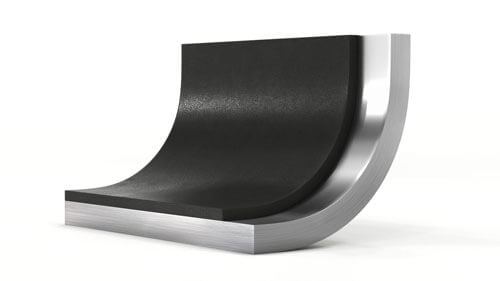
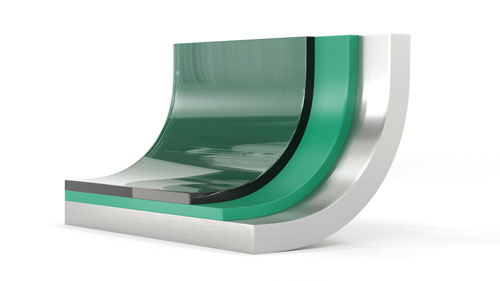
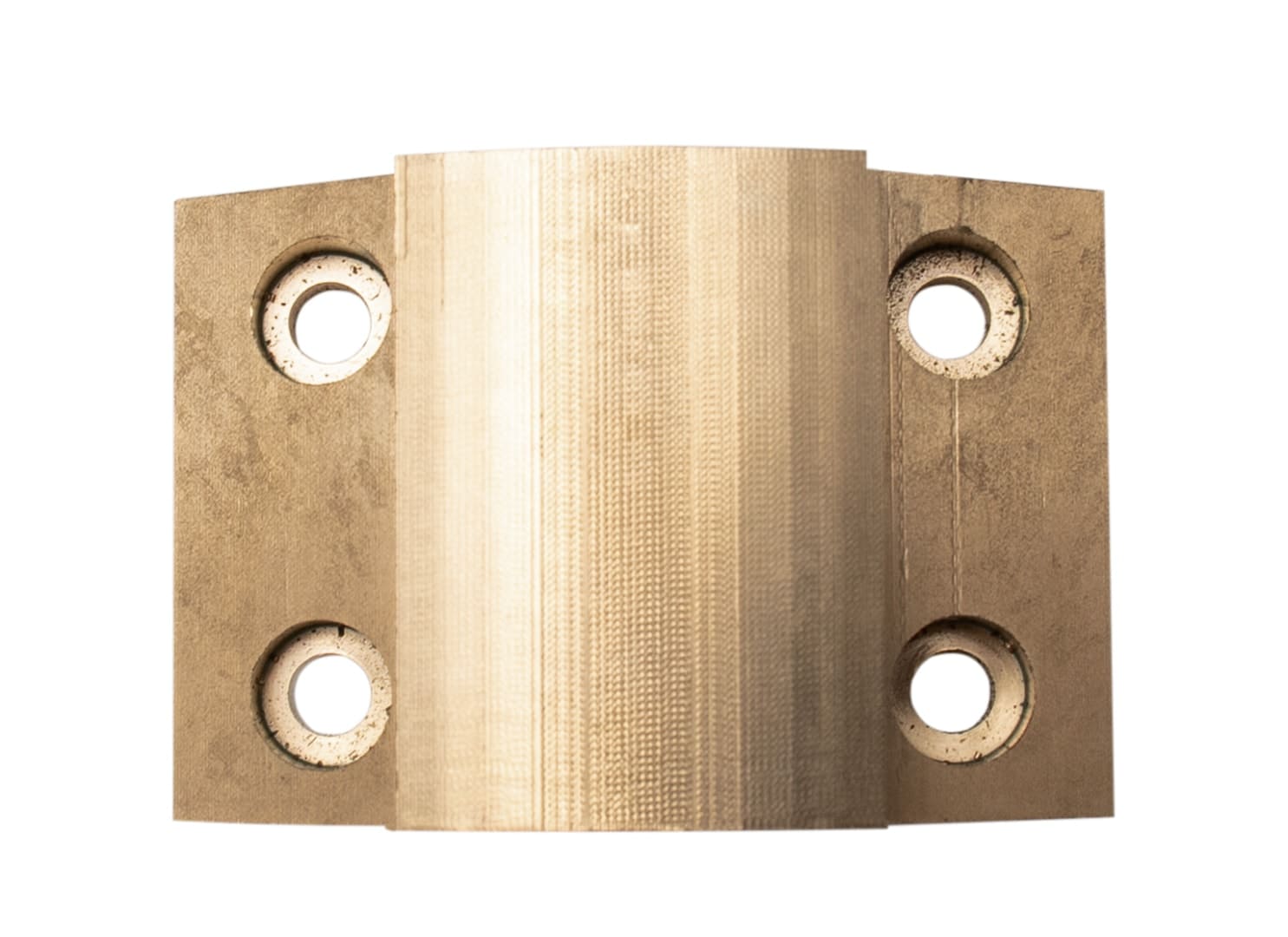
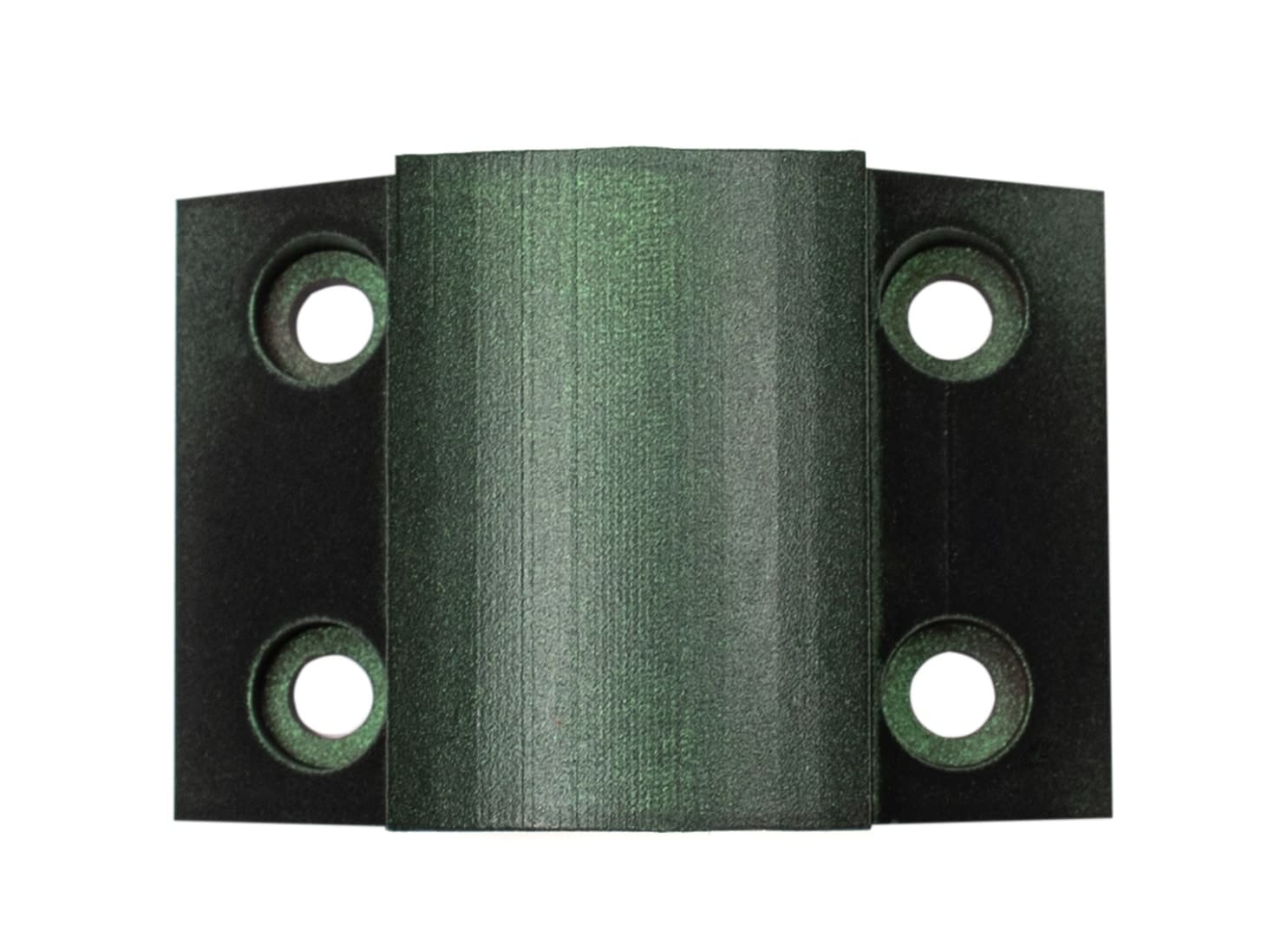
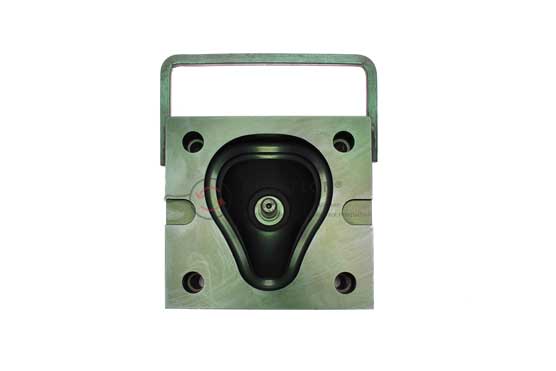
The HLR coating is an industrial coating for professional use in the confectionery food industry and for anti-adhesion on sealing plates, rolls and molds in plastic molding and for heat treatment of extremely sticky materials. HLR-high long last release-technology that allows the coating to perform its functions even with local damage and loss of color over a long period of time and significantly reduces the need for overlapping professional equipment.
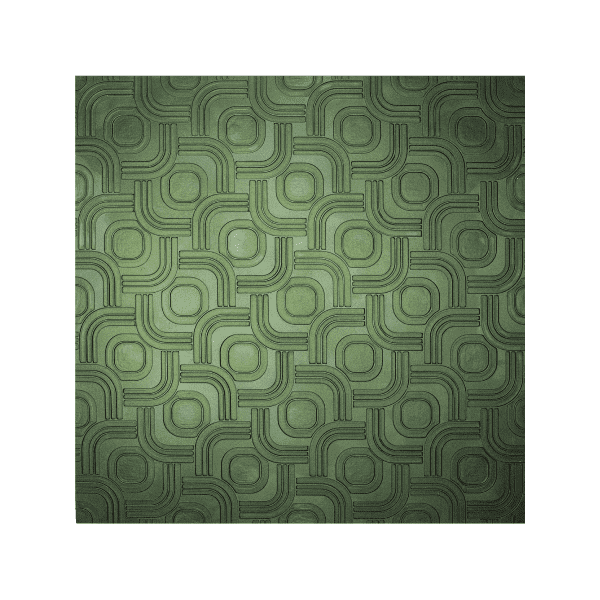
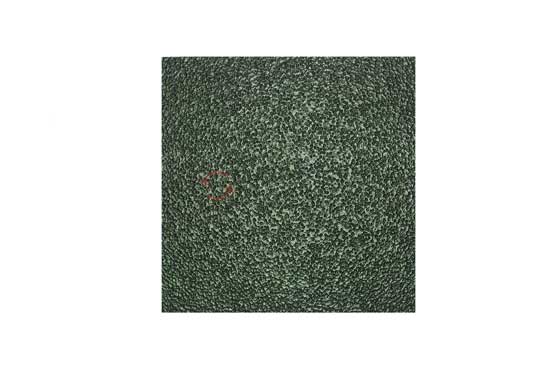
Has an emerald color.
Perfectly repels burnt plastic and PVC film for the most comfortable cleaning.
Has an extremely reinforced first layer of coating to ensure good resistance under heavy loads.
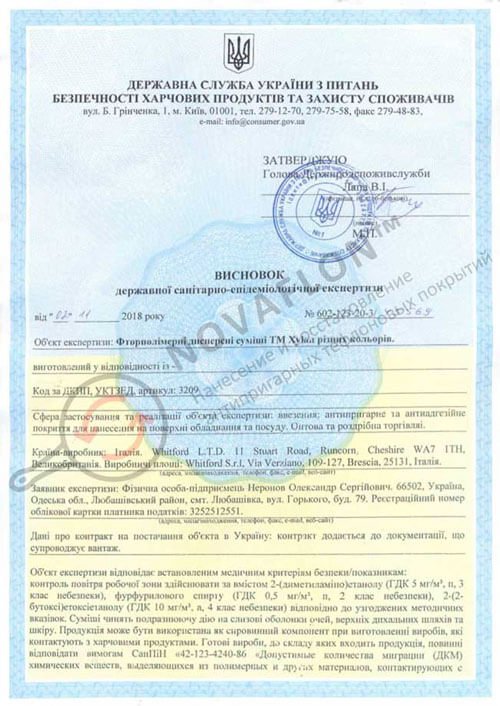
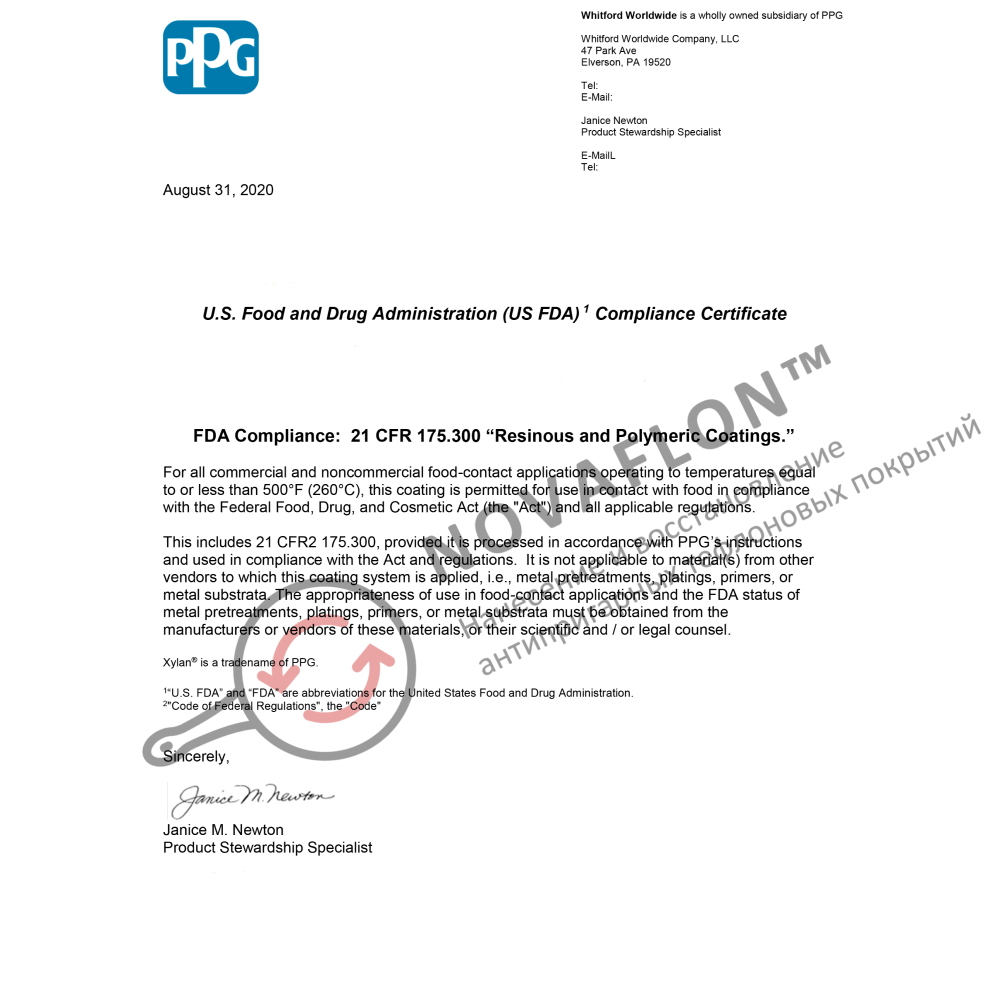
Has American and European FDA certification for the food and pharmaceutical industries.
Great for confectionery
show more
show more
Coating Tefiks
Coating1-layer coating
Thickness > 15μm
Resistance to abrasion
Non-stick properties
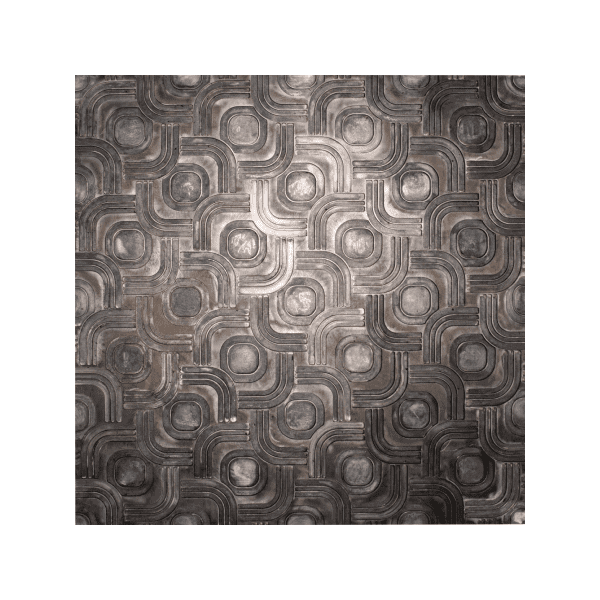
Tefiks coating is a technical coating with anti-friction properties. It reduces friction between metal surfaces and contains the MoS 2 additive, which makes it an effective tool. It has high abrasion resistance, prevents jamming of parts.
For technical use only!
Anti-friction properties
Chemical resistance
Abrasion resistance
show more
show more
Coating PRO
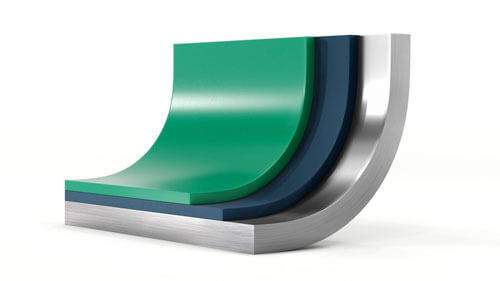
Number of layers 3
Thickness 45 μm - 50 μm
Use
Non-stick effect
PRO coating is an industrial coating for professional use in the food industry and in thermoforming processes with high temperatures (plastic molding, molding of rubber products, foam molds). The unique polymer allows to separate a product well from the form, possesses the increased resistance to attrition and aggressive chemistry thanks to nonporous molecular structure.
Excellent non-stick properties
Extreme resistance to chemicals and aggressive detergents in food production
Certified for the food and pharmaceutical industries
Recommended for professional baking of bread products
Recommended for use in molds
More abrasion resistant than other materials
show more
show more
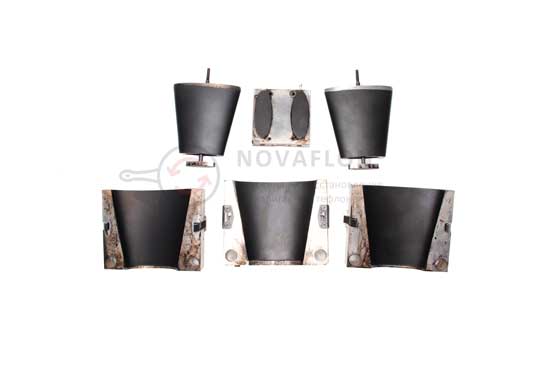
Mold for the production from Styrofoam
One client needed to eliminate the sticking of styrofoam during the high temperature production process. Our industrial coating HLR helped to reduce sticking, defects and downtime of equipment.
Thermal sealing head
Brass thermal sealing head for packaging equipment. Our reinforced coating handles high sealing temperatures and high cycle times perfectly, making it easy to clean the equipment after work and creating even, neat seams.
Production of masks
We were contacted by a manufacturing enterprise for the production of silicone masks. As a result of the application of the XLR coating, they received an increase in product productivity by 110%
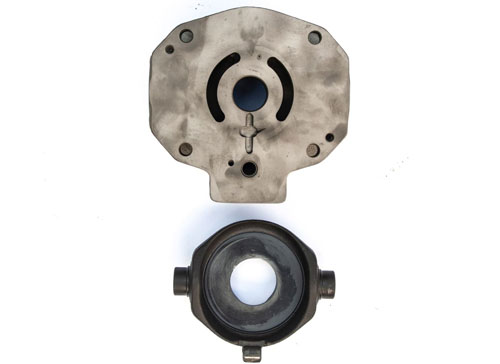
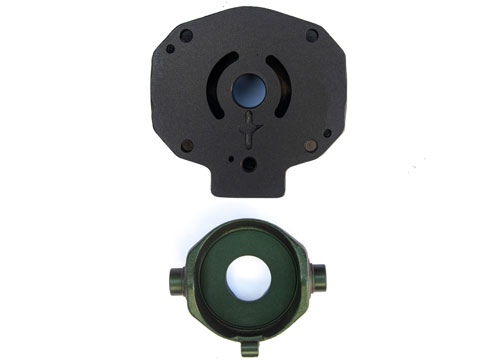
Hydraulic pump parts for special equipment
The protective coatings acted as a dry lubricant, which reduced friction between the plate and other parts, and prevented them from welding.
Drag the slider to view the result
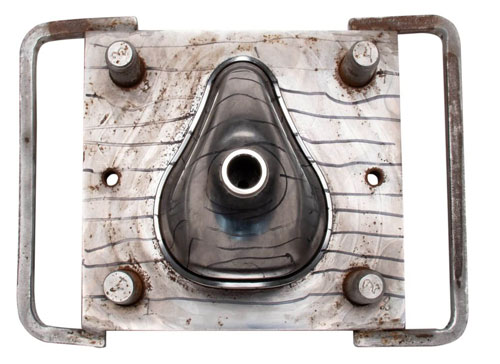
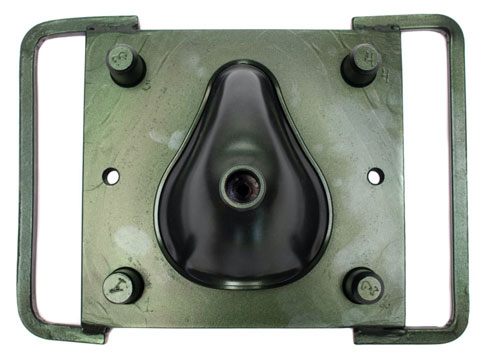
Advantages of NOVAFLON processing the molds for casting silicone masks.
Trusting us to restore non-stick properties to surfaces by applying fluoroplastic coatings, you get several advantages:
Increased product performance. More work cycles were carried out per unit of time due to the almost zero slip coefficient of the material
increasing the taste of ready-made dishes, due to the absence of carbon deposits and greasy impregnation
Avoid surface damage due to burns, adherents, or admixtures of ingredients
Shifting away or significant reduction from the consumption of lubricants for lubricating molds
Extension of equipment life due to resistance to acids and alkalis
Reduce losses by reducing scrap and avoiding production outages
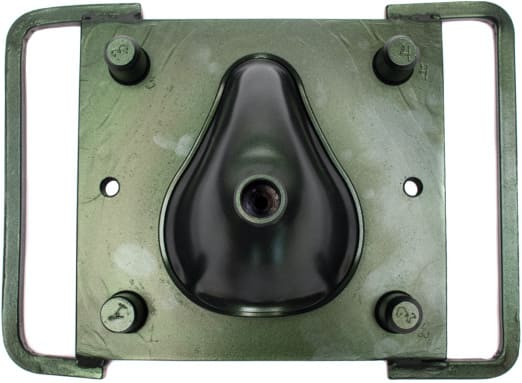
Testing mold
The manufacturer of silicone protective respirators has contacted us to eliminate silicone sticking on the new testing mold. We have offered them a material with an increased anti-adhesive characteristics. The test went well.
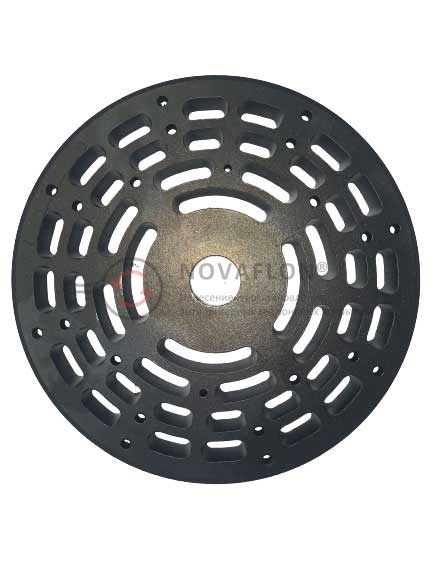
Plates for forming foam sheets
"The new coating made it possible to eliminate the adhesion of foam when forming on plates, where the shape is complex and the heating temperature is high. "
Done projects
Anti-corrosion coating for aggressive chemical environment
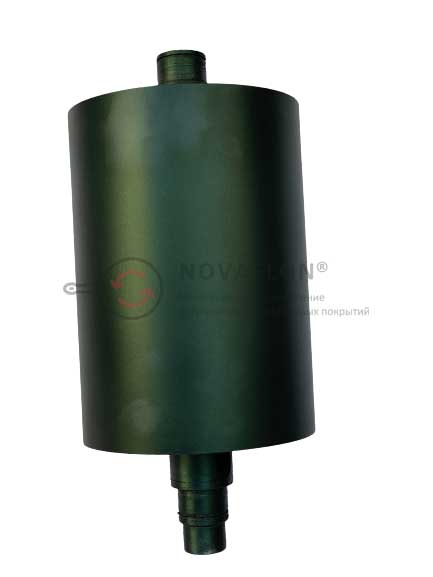
Shaft for sealing blisters in the pharmaceutical industry
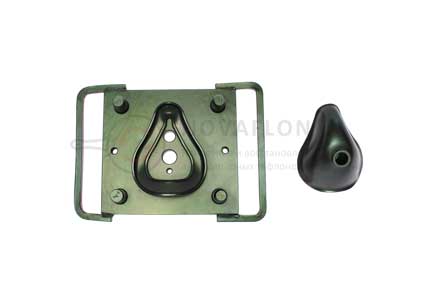
Mold for casting silicone masks
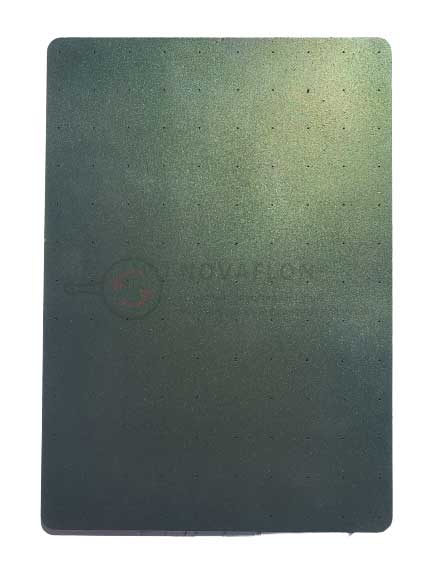
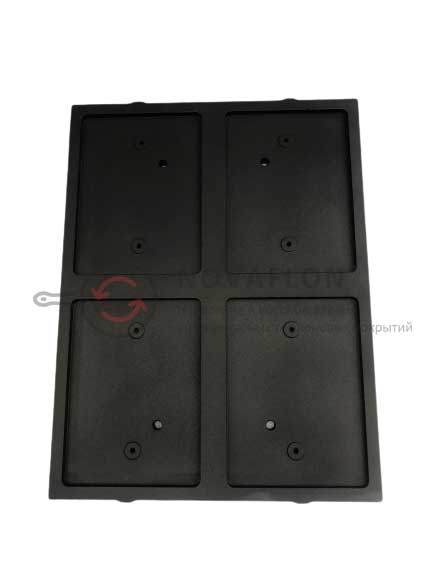
Thermoplate for foam formation
Mold for casting silicone masks
Heating element for a coffee machine
Part of the hydraulic pump
Part of the hydraulic pump
Thermoplate for pvc film
Shaft for printer
Shaft for sealing blisters in the pharmaceutical industry
Wedge bath for melting polyurethane glue, edge banding machine
Brass thermal head for packaging industry
Rotary mold for polyurethane products
Harley-Davidson Exhaust Trim
Thermo-soldering stove
Sealing mold
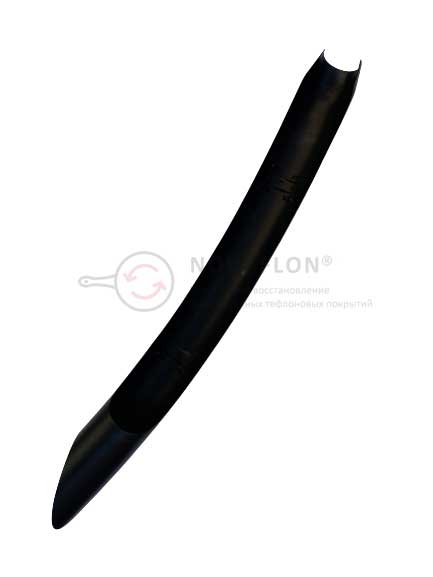
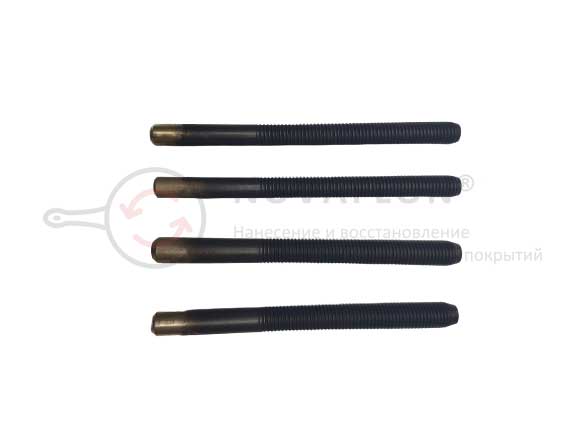
Studs with Ptfe Coating for better torque
Experimental bakeware mold
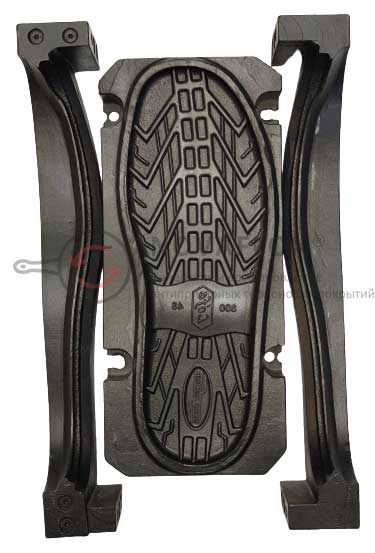
Mold for molding soles
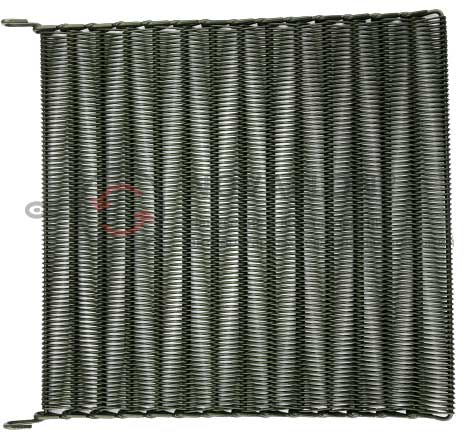
Transport net for the bakery industry
Roll for tape winding
Shaft for the production of wool hats
PVC film sealing parts
Mold for molding soles
It is more profitable to restore high-quality equipment than to buy a new one!
користувався послугами компанії, виконували покриття граніт на решітку аерогриля, по якості виглядає краще, ніж була початкова оригінальна, тому задоволений і рекомендую
Оксана Зинченко
Дуже задоволена роботою Новафлон.Швидко, гарно, якісно! Дякую! Рекомендую!
Cергей Дудник
Работают быстро и качественно уже три сковородки отремонтировала Даная компания работой довольны.
Marta Zhytariuk
Дякую! Отримала, все супер!
Я взагалі коли ввела у Гуглі «як відновити покриття», думала, що буду шукати якісь лайфхаки 🫣 а тут ваша реклама!
Вам успіхів і дякую за допомогу!
Юлия Владимирова
Хочу Вам подякувати за мій оновлений посуд ( пательня та чаша від мультиварки). Майже місяць в експлуатації. Я в захваті, якістю покриття, граніт та про. Це таке задоволення готувати майже без олії та з свого улюбленого посуду. А ще гріє думка, що хоч трохи але не за смітив довколишнє середовища. Дякую Вам велике за вашу чудову працю.
Viktoria Rainbow
Дуже шкода, що не було фото "до", не додумалась що в першому, що в другому випадку. Почнемо😅першу сковорідку робили в 2021 році, ось тільки зараз я готова її відвезти на оновлення. Тушкувала в ній, омлети та блини - на стабільній основі. Виглядає чудово, якості: локально є налипання, там, де колись мала необачність трішки "пройтись" виделками. Оновила буквально недавно свою велику сковорідку на покриття Фіолетового кольору ( забула назву 😅😆). Їй було років як мені, тому там є раковинки ( мене про це попереджали менеджери). На фото: там, де чорна - то моя стара, що з 21 року, прослужила 4 роки з новафлоновським покриттям, я її буду везти на оновлення знову. Фіолетова - нова. Довольна дуже результатом. Дякую, Новафлон! Ви неймовірні!
Микита Смірнов
Робота - супер. Просто подивіться, як вони кльово мою улюблену пательню оновили! Молодці, я дуже радий!
Раиса Сакалюк
Все супер, дякую за відновлення казана і сковороди. Готувати одне задоволення. Є різниця між антипригарним покриттям з магазинів і вашим, ваше однозначно краще. Рекомендую
Валерия Тарарыкина
Супер! Стара пательня, яка облазила, завдяки цій компанії, стала наче тільки з магазину. Дуже вдячна, точно звертатимусь ще!