




В кошику
Ваш кошик порожній
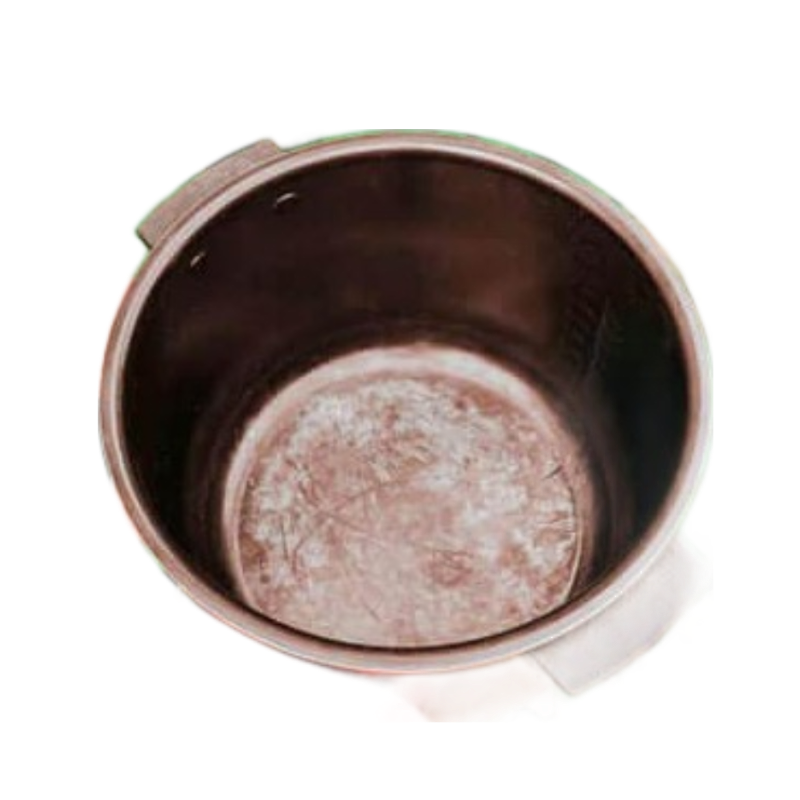
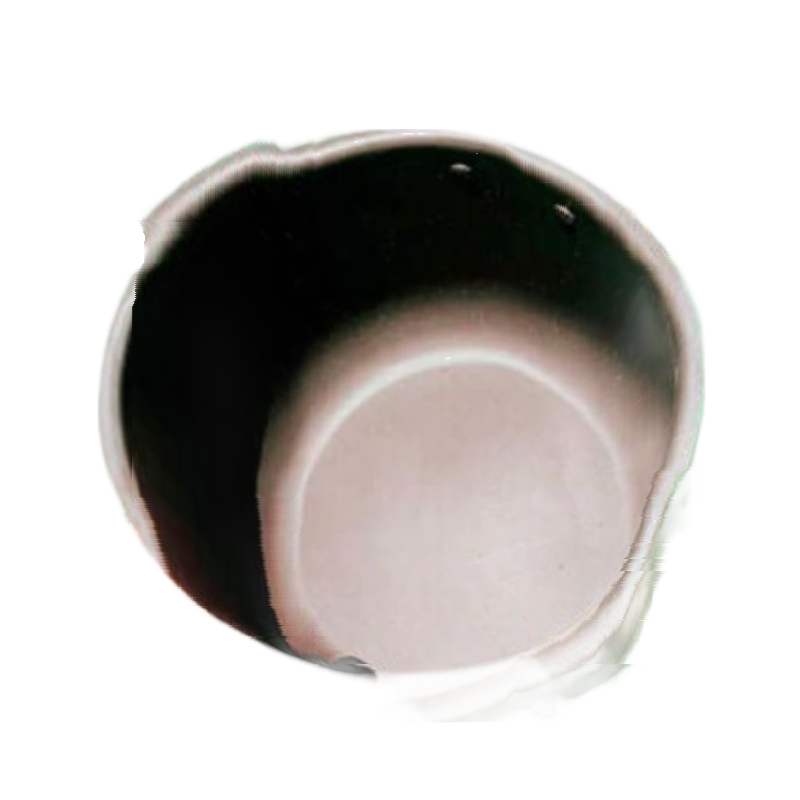
Dacha restaurant in Odesa is one of our regular customers. In a year of cooperation we have restored the non-stick coating on more than 100 cookware and equipment items for its kitchen, from multicooker bowls to professional frying pans.
Instead of replacing cookware with worn coating, the restaurant has it restored. In a video review, chef Oleksandr Kovalchuk talks about cooking with the renewed cookware and shows it in action.
In a professional kitchen, non-stick coatings gradually wear down with intensive use. This applies not only to frying pans but also to multicooker bowls: scratches and worn patches appear, food sticks to the bottom, and cleaning takes more effort.
Replacing a worn multicooker bowl is not always easy. Every model has its own dimensions and design, so finding a compatible bowl can be difficult. And buying a new multicooker just because the bowl coating is damaged is too expensive, especially when the appliance itself works fine.
Restoring the non-stick coating lets you keep the original bowl and go on using the multicooker without hunting for spare parts or replacing the whole appliance.
For Dacha’s kitchen we use different coatings depending on what the cookware is for.
For the multicooker bowl we used PRO coating. It is a three-layer professional system with a non-porous structure, resistant to abrasion and detergents, with a working temperature of up to 220°C. PRO is suitable for multicooker bowls, grills, sandwich makers and other equipment with non-stick surfaces.
For frying pans we use Granite coating — a three-layer PTFE-based system reinforced with ceramic microparticles for abrasion resistance. Dacha’s cooks use these pans for meat, potatoes and other dishes. Both coatings, PRO and Granite, are safe for food contact and contain no PFOA, like all Novaflon coatings.
In one year Novaflon restored more than 100 cookware and equipment items for Dacha restaurant. For the restaurant this has become a regular way to maintain its kitchen inventory: when a coating wears out, the item is sent for restoration and then returns to work.
“You get really tasty potatoes with a crispy crust on this coating,” says Oleksandr Kovalchuk about a pan with Granite coating.
Chef Oleksandr Kovalchuk showed how the restored cookware works in the restaurant kitchen. In the video he cooks fried potatoes and shakshuka and talks about coating cast-iron cookware: “Cast iron, by the way, is also great to coat.”
We do apply non-stick coating to cast-iron pans as well: cast iron keeps its heating properties, while the coating reduces sticking and makes cleaning easier.
Thank you, Oleksandr Kovalchuk and the Dacha team, for your trust and long-term cooperation.
Signs of wear:
If the bowl’s metal body is not deformed, you can restore the non-stick coating instead of looking for a new bowl. Novaflon renews the coating but does not repair damaged metal bodies.
We provide non-stick coating restoration for restaurants and cafes: multicooker bowls, frying pans, cast-iron cookware and other kitchen equipment.
To find out the restoration cost, send photos of your cookware via Viber or Telegram. Our manager will help choose the right coating and calculate the order. We work with food businesses all over Ukraine: cookware can be sent via Nova Poshta, and our work comes with an official warranty.

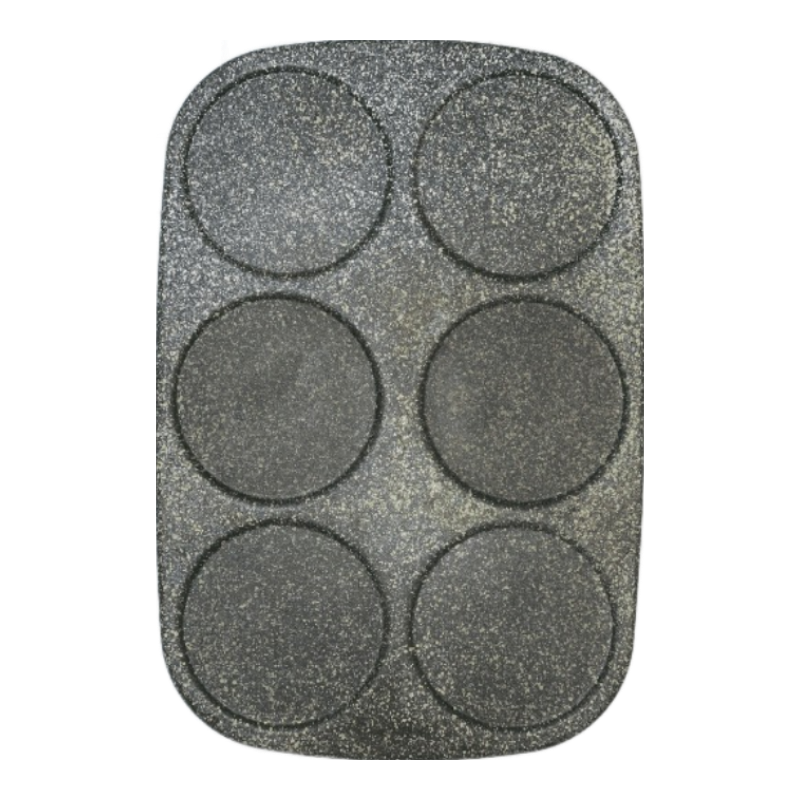
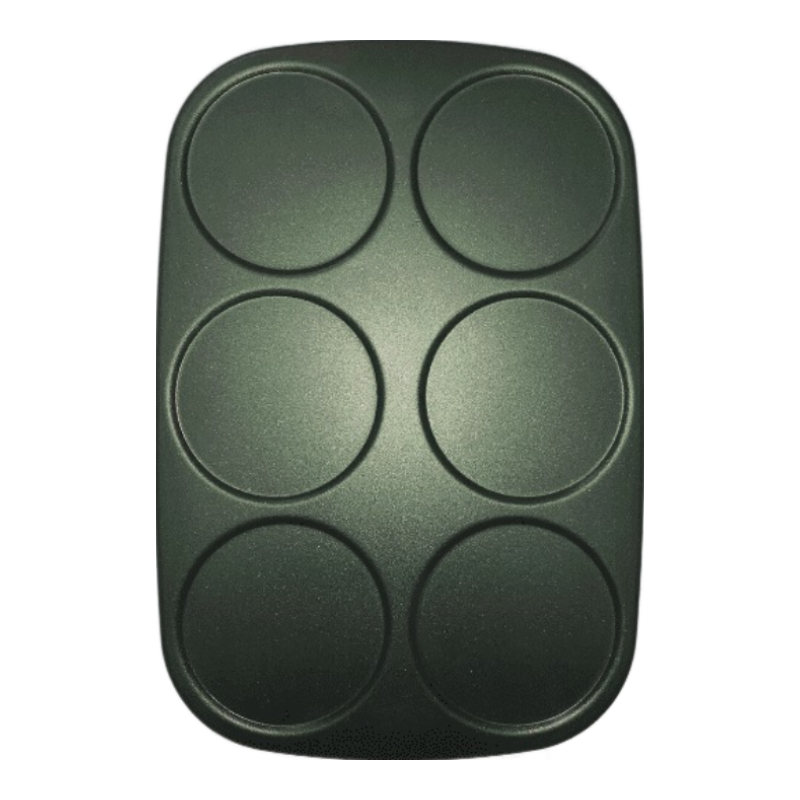

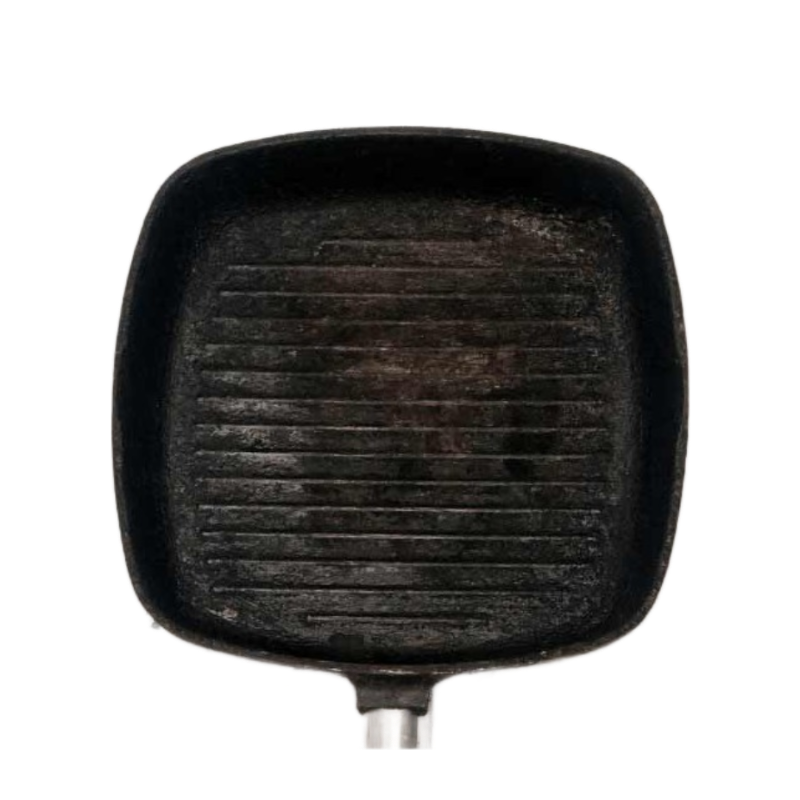
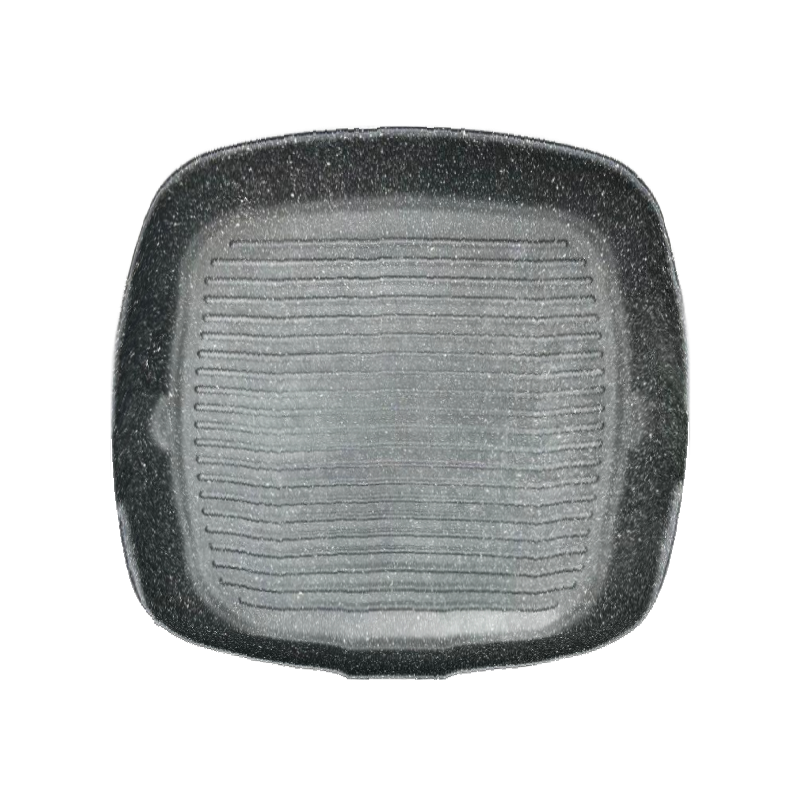

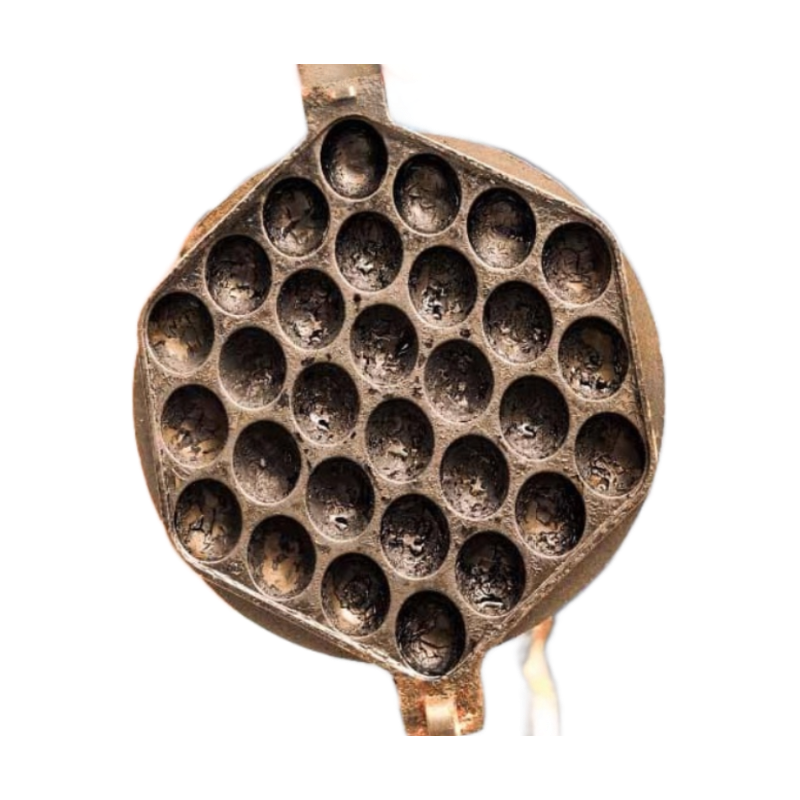
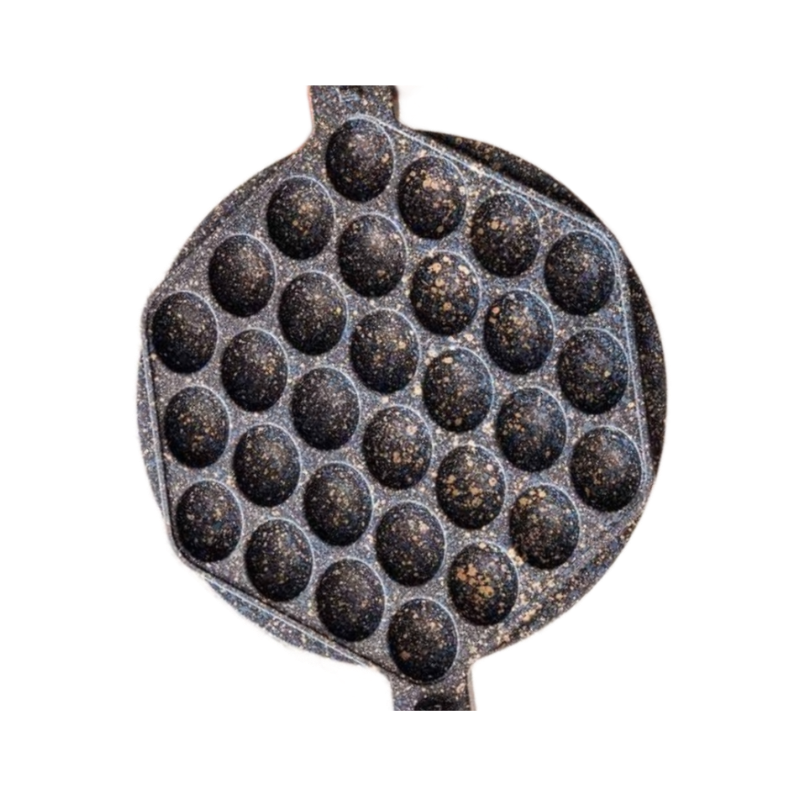
Coating Granite
View caseЗамовте оновлення покриття від кухонних приладів до промислових механізмів.
Thank you! Your application has been accepted.
We will contact you soon!
Thank you! Your application has been accepted.
We will contact you soon!
Thank you! Your application has been accepted.
We will contact you soon!
Thank you! Your application has been accepted.
We will contact you soon!